Cabin Air Filters: The Overlooked Part of Vehicle Maintenance
And Why Interior Cleanliness Still Matters!
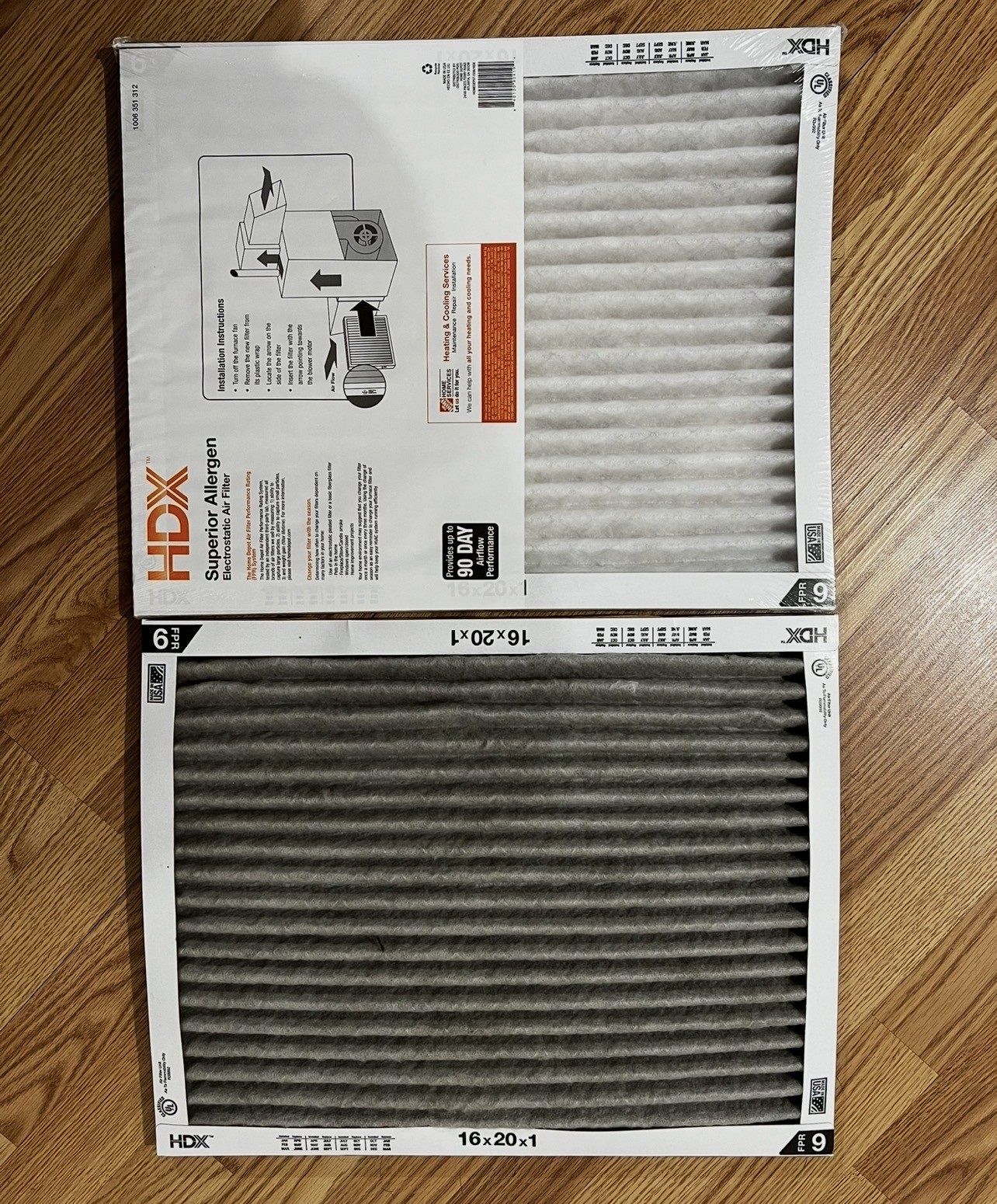
Most people don’t think twice about changing the air filter in their home. When it gets dirty, airflow drops, air quality suffers, and you replace it. Simple.
Your vehicle has a cabin air filter too — and it plays a bigger role in your comfort and health than most drivers realize.
What a Cabin Air Filter Actually Does
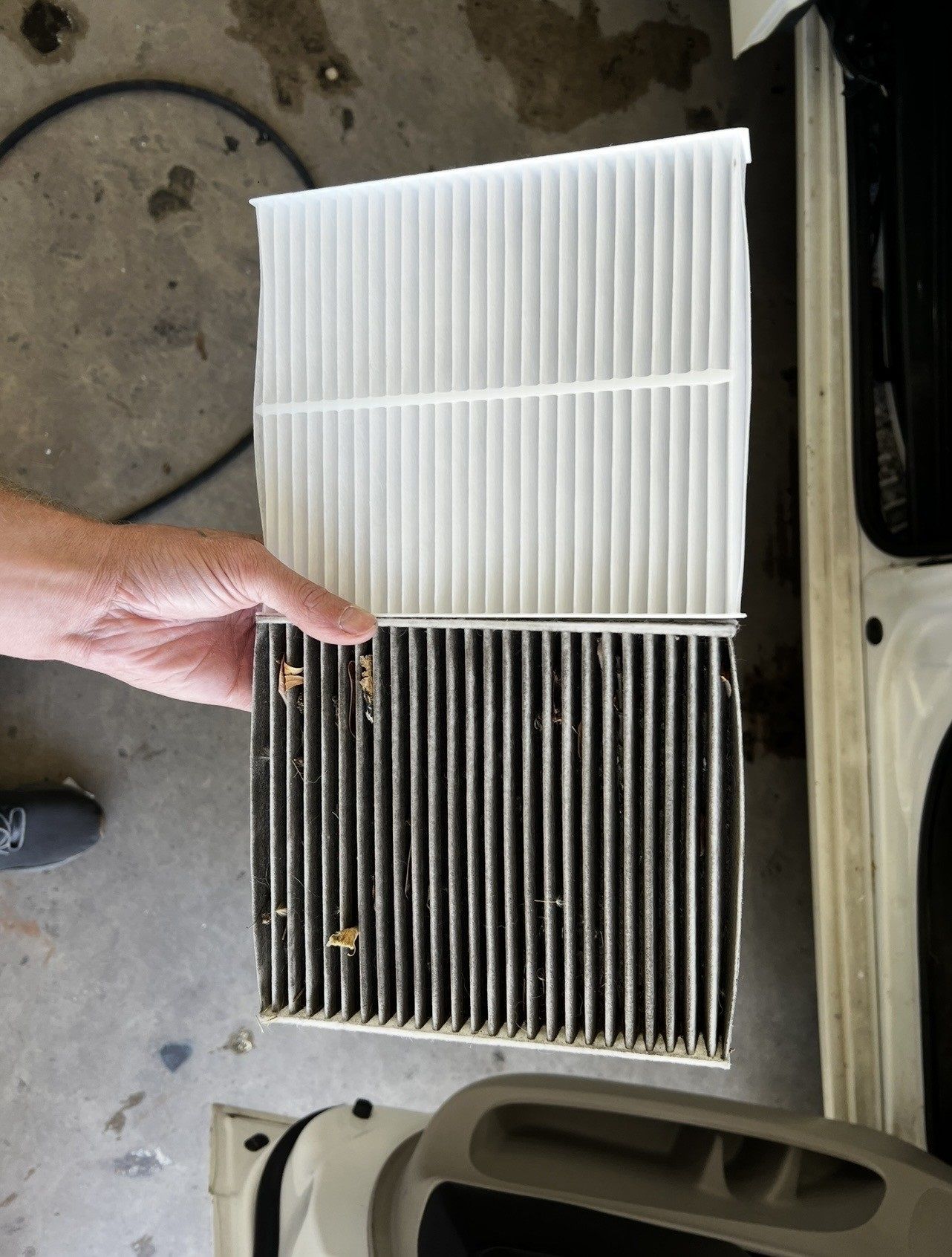
Your cabin air filter cleans the air that enters your vehicle’s interior through the HVAC system. It traps:
- Dust and pollen
- Road debris
- Exhaust particles
- Mold spores and allergen's
Every time you run heat or AC, that air passes through the filter before you breathe it.
Over time, that filter becomes clogged — reducing airflow and allowing odors and contaminants to circulate inside the cabin.
Why Cabin Air Filters Get Neglected
Unlike oil changes or tire rotations, cabin air filters:
- Aren’t visible during normal driving
- Don’t trigger warning lights
- Fail slowly instead of all at once
So most people don’t replace them until airflow is poor or the cabin starts to smell.
Sound familiar? It’s the same reason people forget to change their home HVAC filter.
Home HVAC Filters vs Vehicle Cabin Filters
Think of your cabin air filter the same way you think about your home’s HVAC filter.
A clean filter:
- Improves airflow
- Keeps air cleaner
- Reduces strain on the system
A dirty filter:
- Restricts airflow
- Circulates dust and odors
- Reduces comfort and efficiency
The difference? Your car is a much smaller, enclosed space — which means dirty filters affect you faster.
Clean Air Doesn’t Matter If the Interior Isn’t Clean
Here’s the part most people miss.
Even with a new cabin air filter, air quality won’t improve if:
- Carpets are loaded with dirt and salt
- Seats hold embedded dust and debris
- Interior surfaces haven’t been properly cleaned
The filter can only clean incoming air — not contamination already inside the vehicle.
That’s why
interior maintenance matters just as much as replacing the filter.
How Often Should Cabin Air Filters Be Replaced?
Most manufacturers recommend replacement every:
- 12–15 months, or
- 12,000–15,000 miles
But in real-world conditions (winter driving, road salt, pollen, construction zones), filters often need replacement sooner.
If you:
- Drive daily
- Have allergies
- Transport kids or pets
- Park outside regularly
Your cabin filter is working overtime.
How We Help as a Maintenance-Focused Shop
We don’t treat interior care as a one-time reset. Our approach focuses on ongoing maintenance, not waiting until things get bad.
During maintenance visits, we:
- Inspect cabin air filters
- Identify airflow or odor issues
- Address interior contamination early
- Recommend solutions before buildup becomes a problem
This keeps your vehicle comfortable, clean, and easier to maintain long-term.
Maintenance Beats Catch-Up Every Time
Just like changing your home HVAC filter prevents bigger issues, maintaining your vehicle’s interior prevents:
- Heavy buildup
- Lingering odors
- Costly deep-clean corrections
It’s easier, healthier, and more cost-effective to stay ahead than to reset everything later.
Clean air matters — but it only works when the entire environment is maintained.
That’s why we focus on maintenance systems, not one-off services.